
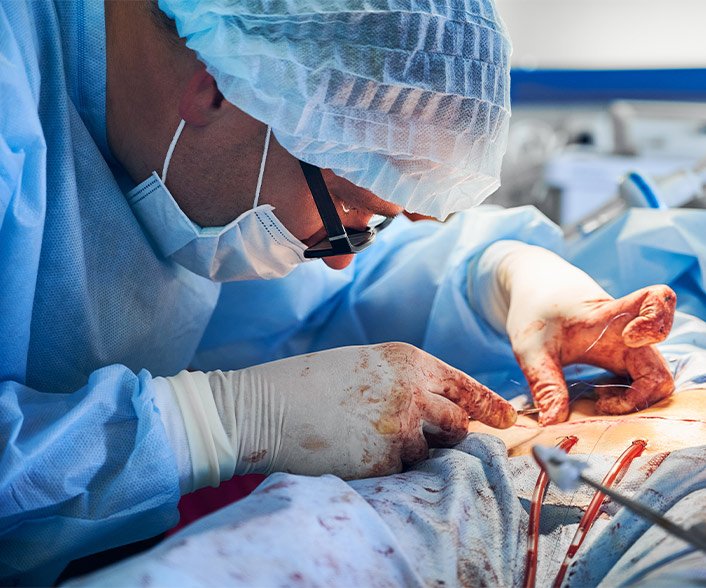
When you notice swelling in your legs, pain while walking, or bulging veins on your skin, you might be facing a vascular problem. These issues affect the blood vessels that carry oxygen and nutrients throughout your body. Finding the right vascular surgeon in Delhi can make all the difference in getting the treatment you need and returning to your normal life.
Delhi has become a major center for vascular care in India, with experienced specialists using both traditional surgery and modern, minimally invasive techniques to treat conditions ranging from varicose veins to life-threatening aneurysms. Among these experts is Dr. Pradeep Muley, a Senior Consultant in Interventional Radiology at Fortis Hospital, Vasant Kunj, who has over 36 years of experience treating vascular conditions using non-surgical and minimally invasive methods.
Understanding What a Vascular Surgeon Does
A vascular surgeon specializes in treating diseases of your circulatory system—the network of arteries, veins, and lymphatic vessels that move blood and fluid through your body. These doctors are trained in both surgical and non-surgical treatments, giving them multiple options to address your specific condition.
Unlike heart surgeons who focus on the heart itself, vascular surgeons treat blood vessel problems everywhere else in your body, from your neck down to your feet. They handle conditions that can cause serious complications if left untreated, including stroke, amputation, and organ damage.
Common Vascular Conditions Treated in Delhi
1. Varicose Veins
Varicose veins are enlarged, twisted veins that commonly appear in the legs. They occur when the valves inside your veins stop working properly, causing blood to pool instead of flowing smoothly back to your heart. While many people think of them as just a cosmetic issue, varicose veins can cause pain, swelling, heaviness in your legs, and even skin ulcers if not treated. Modern treatment options in Delhi include laser therapy, radiofrequency ablation, glue therapy, and sclerotherapy—all minimally invasive procedures that require little downtime. Dr. Pradeep Muley specializes in non-surgical vascular treatments including varicose vein procedures.
2. Peripheral Artery Disease (PAD)
PAD happens when the arteries in your legs become narrowed or blocked by plaque buildup. The main symptom is leg pain or cramping when you walk, which goes away when you rest—a condition called claudication. Without treatment, PAD can progress to severe pain even at rest, non-healing wounds, and in serious cases, gangrene requiring amputation. Treatment starts with lifestyle changes like quitting smoking, regular exercise, and medications to manage cholesterol and blood pressure. For more severe cases, procedures like angioplasty with stenting or bypass surgery can restore blood flow to your legs.
3. Deep Vein Thrombosis (DVT)
DVT is a blood clot that forms in the deep veins of your legs. Symptoms include pain, swelling, warmth, and redness in the affected leg. DVT is dangerous because the clot can break loose and travel to your lungs, causing a life-threatening pulmonary embolism. Treatment involves blood-thinning medications to prevent the clot from growing and to reduce the risk of new clots forming. In severe cases, doctors may use clot-busting drugs or surgical removal of the clot.
4. Aortic Aneurysms
An aneurysm is a weak spot in the wall of a blood vessel that causes it to bulge like a balloon. The aorta—the largest artery in your body—is the most common location for aneurysms. Small aneurysms are monitored with regular imaging, but larger ones require repair to prevent rupture, which is often fatal. Modern treatment includes endovascular aneurysm repair (EVAR), a minimally invasive procedure where a stent graft is inserted through small incisions in the groin to reinforce the weakened artery wall. Recovery is much faster than traditional open surgery.
5. Diabetic Foot Problems
People with diabetes face a higher risk of vascular complications in their feet due to poor circulation and nerve damage. This can lead to non-healing ulcers, infections, and in severe cases, gangrene requiring amputation. Early intervention by a vascular surgeon can often save the limb through procedures that restore blood flow, combined with proper wound care and antibiotics. Dr. Pradeep Muley has expertise in vascular interventions that help diabetic foot patients avoid amputation.
6. Carotid Artery Disease
The carotid arteries in your neck supply blood to your brain. When these arteries become narrowed by plaque build-up, it increases your risk of stroke. Symptoms of a stroke or mini-stroke include sudden weakness, numbness in the face or limbs, difficulty speaking, and vision loss.Treatment may include carotid endarterectomy (surgical removal of plaque) or carotid stenting to open the blocked artery and prevent stroke.
People Also Like:- Top 10 Vascular Surgeons in Delhi Trusted Specialists
Warning Signs You Need to See a Vascular Surgeon
Don't ignore these symptoms—they could indicate a serious vascular problem requiring immediate attention:
1. Leg-Related Symptoms:
- Pain in your legs when walking that goes away with rest
- Swelling in your legs or feet, especially with pain or color changes
- Wounds or sores on your legs or feet that won't heal
- Coldness or numbness in your feet or toes
- Darkening or discoloration of the skin on your legs
- Bulging, painful veins
2. Emergency Symptoms (Seek Immediate Help):
- Sudden loss of vision
- Sudden numbness in your arm, face, or leg
- Difficulty walking or confusion
- Severe chest pain or breathlessness
- A leg or foot that suddenly turns cold, pale, or extremely painful
Why Delhi is a Leading Centre for Vascular Care
- Advanced Technology: Delhi hospitals have state-of-the-art catheterization labs, advanced imaging equipment, and hybrid operating rooms that combine surgical and endovascular capabilities.
- Experienced Specialists: The city is home to highly trained vascular surgeons who have completed fellowships in India and abroad. Many have performed thousands of successful procedures.
- Affordable Care: Compared to Western countries, vascular surgery in Delhi offers excellent value. Costs range from ₹50,000 to ₹4,50,000 depending on the procedure type and complexity.
- Multidisciplinary Approach: Leading hospitals in Delhi bring together vascular surgeons, cardiologists, endocrinologists, wound care specialists, and physiotherapists to provide comprehensive care.
Modern Treatment Approaches
Minimally Invasive Procedures
Most vascular conditions can now be treated with minimally invasive techniques that offer major advantages over traditional open surgery:
- Faster Recovery: Patients often return to normal activities within days rather than weeks.
- Less Pain: Smaller incisions mean less tissue trauma and reduced post-operative discomfort.
- Lower Infection Risk: Smaller wounds significantly reduce the chance of infection.
- Reduced Scarring: Tiny incisions leave minimal marks on your skin.
- Shorter Hospital Stays: Many procedures can be done on an outpatient basis or with just a 1-2 day hospital stay.
Common minimally invasive procedures include angioplasty with stenting, endogenous laser therapy for varicose veins, radiofrequency ablation, and endovascular aneurysm repair.
Traditional Open Surgery
Some complex cases still require traditional open surgery, which involves larger incisions to directly access and repair blood vessels. While recovery takes longer—typically 4-6 weeks—open surgery provides durable, long-lasting results for conditions like large aneurysms and extensive blockages
Also Read: Varicose Veins: Causes, Symptoms, and Effective Treatment Options
Meet Dr. Pradeep Muley: Expert in Interventional Vascular Care
Dr. Pradeep Muley is a Senior Consultant in Interventional Radiology at Fortis Hospital, Vasant Kunj, with over 36 years of experience in treating vascular conditions. He holds an MBBS and MD in Radio Diagnosis from Devi Ahilya Vishwa Vidyalaya, Indore, and completed a Fellowship in Interventional Radiology in Singapore.
Dr. Muley specializes in non-surgical and minimally invasive treatments for vascular problems, including:
- Vascular malformations treatment
- Embolization procedures for bleeding control
- Varicose veins therapy
- Angiography and interventional procedures
- Neuro and body interventional radiology
With over 20,000 diagnostic and interventional radiological procedures performed throughout his career, Dr. Muley brings deep expertise to complex vascular cases. His approach focuses on patient-centered care using advanced imaging guidance to deliver precise treatment with minimal invasion.
Patients describe Dr. Muley as friendly, experienced, and thorough in explaining conditions and treatment options. His consultation fee at Fortis Hospital, Vasant Kunj is ₹1000, and he sees patients Monday through Saturday from 9:00 AM to 1:00 PM.
Risk Factors for Vascular Disease
Understanding your risk factors helps you take preventive action:
Major Risk Factors:
- Diabetes: Significantly increases risk of peripheral artery disease and diabetic foot complications
- Smoking: The single most important modifiable risk factor—tobacco use dramatically accelerates vascular disease
- High blood pressure: Damages artery walls over time
- High cholesterol: Causes plaque buildup in arteries
- Age: Risk increases with age, especially after 50
- Family history: Genetic predisposition to vascular problems
- Obesity: Puts extra strain on your circulatory system
- Sedentary lifestyle: Lack of physical activity worsens circulation
Studies from India show that newly diagnosed diabetes patients have an average of 1.7 major cardiovascular risk factors, with 60% classified as "very high risk". Smoking combined with diabetes and hypertension significantly increases the likelihood of developing peripheral vascular disease.
What to Expect: Diagnosis and Treatment Journey
Initial Consultation
Your first visit to a vascular surgeon involves a thorough medical history and physical examination. The doctor will check pulses in your arms and legs, look for skin changes, and assess your symptoms
Diagnostic Tests
Common tests include:
- Ankle-Brachial Index (ABI): Compares blood pressure in your ankle to your arm to detect circulation problems
- Duplex Ultrasound: Uses sound waves to visualize blood flow and detect blockages
- CT or MRI Angiography: Provides detailed images of blood vessels
- Angiography: X-ray imaging with contrast dye for precise mapping of arteries and veins
Treatment Planning
Based on your diagnosis, the vascular surgeon will recommend the most appropriate treatment—which may range from lifestyle modifications and medications to minimally invasive procedures or surgery. Not every vascular problem requires surgery; many conditions can be managed with medical therapy alone.
Recovery and Aftercare
Recovery varies depending on the procedure type:
For Minimally Invasive Procedures:
- Hospital discharge often the same day or next day
- Return to light activities within a few days
- Back to normal routine within 1-2 weeks
For Open Surgery:
- Hospital stay of 4-10 days
- Gradual increase in activity over 4-6 weeks
- Full recovery may take 2-3 months
Post-Surgery Care:
- Keep incisions clean and dry
- Take prescribed medications as directed
- Attend all follow-up appointments
- Watch for warning signs like fever, increased pain, or redness
Long-Term Lifestyle Changes:
- Quit smoking completely
- Follow a heart-healthy diet low in saturated fat
- Exercise regularly as approved by your doctor
- Control blood sugar, blood pressure, and cholesterol
- Practice good foot care if you have diabetes
Cost of Vascular Surgery in Delhi
Vascular surgery in Delhi is more affordable than in many other countries while maintaining high quality standards:
Common Procedure Costs:
- Varicose Vein Laser Treatment: ₹60,000 - ₹1,20,000
- AV Fistula for Dialysis: ₹25,000 - ₹55,000
- DVT Treatment (Thrombectomy): ₹90,000 - ₹1,80,000
- Peripheral Artery Angioplasty: ₹1,20,000 - ₹2,50,000
- Carotid Endarterectomy: ₹1,80,000 - ₹3,20,000
- Aneurysm Repair (EVAR): ₹2,50,000 - ₹5,00,000
The exact cost depends on factors like hospital location, surgeon expertise, procedure complexity, and post-operative care requirements. Most major hospitals in Delhi accept health insurance, which can significantly reduce out-of-pocket expenses.
Leading Vascular Surgery Hospitals in Delhi
Delhi is home to several renowned hospitals offering comprehensive vascular care:
- Sir Ganga Ram Hospital, Old Rajendra Nagar - Known for advanced endovascular procedures and training programs
- Fortis Hospital, Vasant Kunj - Where Pradeep Muley practices
- Max Super Speciality Hospitals - Multiple locations across Delhi
- Indraprastha Apollo Hospital, Sarita Vihar - Comprehensive vascular services
- PSRI Hospital, Sheikh Sarai - Multidisciplinary vascular team
- Medanta The Medicity, Gurgaon - Advanced vascular technology
Taking the First Step
If you're experiencing symptoms of vascular disease, don't wait. Early diagnosis and treatment can prevent serious complications and improve your quality of life. Here's what to do:
- Schedule a consultation with an experienced vascular surgeon like Dr. Pradeep Muley
- Prepare for your appointment by listing your symptoms, medications, and questions
- Be honest about your lifestyle including smoking, diet, and exercise habits
- Follow through with recommended tests to get an accurate diagnosis
- Discuss all treatment options including non-surgical approaches
Conclusion
Finding the right vascular surgeon in Delhi can help you address blood vessel problems before they lead to serious complications. With experienced specialists like Dr. Pradeep Muley offering advanced, minimally invasive treatments, patients in Delhi have access to world-class vascular care at affordable costs.
Whether you're dealing with varicose veins, leg pain when walking, diabetic foot problems, or any other vascular condition, early consultation with a vascular specialist gives you the best chance for successful treatment and quick recovery. Modern techniques mean less pain, smaller scars, and faster return to your normal activities
For consultation with Dr. Pradeep Muley:
Location: Fortis Flt. Lt. Rajan Dhall Hospital, Sector B, Pocket 1, Vasant Kunj, Delhi - 110070
Timing: Monday - Saturday, 9:00 AM - 1:00 PM
Consultation Fee: ₹1000
Contact: +91 9810492778
Frequently Asked Questions (FAQs)
1. Who is the best vascular surgeon in Delhi?
Dr. Pradeep Muley is among the most trusted and experienced vascular surgeons in Delhi. With decades of expertise in varicose veins, DVT, and arterial diseases, he provides advanced treatments with a patient-first approach.
2. What does a vascular surgeon do?
A vascular surgeon diagnoses and treats problems in blood vessels—arteries and veins—such as varicose veins, blocked arteries, aneurysms, and leg ulcers. They offer both surgical and minimally invasive treatments to improve blood flow.
3. When should I visit a vascular surgeon in Delhi?
You should see a vascular surgeon if you have leg pain while walking, swollen or bulging veins, non-healing wounds, numbness in legs, or a history of blood clots. Early treatment prevents complications like ulcers or gangrene.
4. What treatments does Dr. Pradeep Muley offer?
Dr. Pradeep Muley provides laser treatment for varicose veins, angioplasty and stenting, bypass surgeries, DVT management, and endovascular procedures — focusing on safe, painless recovery and modern technology.
5. Are vascular treatments painful or risky?
Most modern vascular procedures, such as laser vein treatment or endovascular stenting, are minimally invasive and done under local anesthesia. Recovery is usually quick, and the risk is very low when handled by an expert like Dr. Muley.
6. How much does vascular surgery cost in Delhi?
The cost varies by procedure and hospital, but laser varicose vein treatment usually starts around ₹40,000–₹80,000 per leg, while stenting or bypass surgery can range from ₹1 lakh–₹3 lakh. Always confirm with your doctor and insurance provider.
7. Can vascular diseases be prevented?
Yes. Regular walking, healthy diet, avoiding smoking, managing diabetes, and maintaining ideal body weight can reduce your risk of vascular diseases. Regular check-ups with a vascular specialist also help detect problems early.
8. How do I book an appointment with Dr. Pradeep Muley in Delhi?
You can easily book an appointment with Dr. Pradeep Muley through his official clinic or hospital website, or contact his Delhi practice directly for consultations and treatment schedules.