
Have you caught yourself looking down at your legs and wondering when those blue lines got so prominent? Maybe you feel a dull ache by evening that just won't go away. You are not imagining things. Many people go through this every single day.
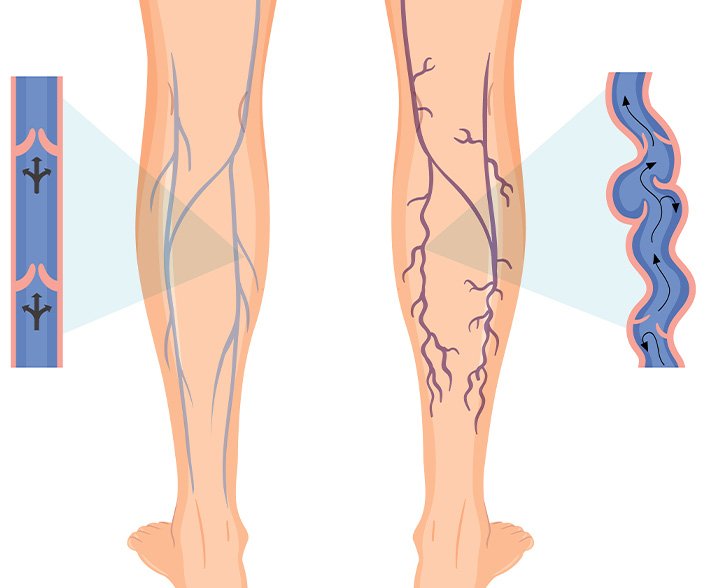
Varicose veins are surprisingly common. They happen when the tiny doors inside your veins stop closing properly. These doors, called valves, usually keep blood moving in one direction. When they fail, blood flows backward and pools. This pooling makes the veins stretch and bulge out .
This is not just about how your legs look. It is about how they feel. If you have been searching for a varicose veins specialist doctor in Delhi, understanding your symptoms clearly will help you explain your problem better during the visit.
Spotting the Warning Signs Early
Your body gives you clues when something is wrong. Here is what you should keep an eye out for.
What Shows Up on Your Skin
The first thing people usually notice is the change in their skin's appearance.
- Twisted ropes under the skin: The veins might look like they are raised and winding just beneath the surface .
- Dark blue or purple colors: Healthy veins are not usually this dark. If you see deep blue lines, it means blood is stuck inside .
How Your Legs Feel Inside
The feelings inside your legs matter just as much as what you see outside.
- That nagging ache: You might feel a deep, dull pain in your legs, especially after you have been on your feet all day .
- Tired, heavy legs: It can feel like you are carrying extra weight strapped to your ankles. Your legs might feel sluggish and hard to lift .
- Itchy skin: Sometimes the area right over the swollen vein feels itchy or burns. You might notice the skin there getting dry and flaky .
Swelling and Color Changes You Might Miss
As time passes, the lack of good blood flow starts affecting your legs in other ways.
- Puffy ankles: You might notice your shoes feeling tighter by the end of the day .
- Skin turning brown: The skin near your ankles might start looking reddish-brown. This happens because the pressure inside the veins is so high that tiny blood cells leak out into the skin .
- Sudden night cramps: Waking up with a charley horse in your calf could be linked to your veins .
What Makes the Pain Worse
You might notice a pattern to your discomfort.
- Long days on your feet: If your job involves standing for long periods, your legs will likely hurt more .
- Summer heat: Warm weather makes veins expand, which can increase the ache.
- Evening hours: Pain and swelling often build up throughout the day and peak at night.
Why You Should Pay Attention to These Signs
Some people think varicose veins are just part of getting older and decide to ignore them. But leaving them unchecked can lead to bigger troubles. Constant swelling and poor circulation can cause the skin to break down, leading to painful sores that are hard to heal . In severe cases, a vein might burst or develop a painful clot .
Catching these signs early makes a huge difference. A good varicose veins specialist doctor in Delhi can look at your legs and tell you exactly what is happening inside.
Getting Help Without Going Under the Knife
The old days of major surgery for vein problems are mostly behind us. Now, there are smarter ways to fix the issue.
At Center For Non Surgical Treatment, we focus on helping you feel better without cuts or long recovery times. We offer some of the best varicose veins treatment in Delhi using methods that are gentle but highly effective. Here is what we use:
- Laser sealing: A small laser fiber goes inside the vein and heats it up. This makes the vein close shut. Your body then naturally gets rid of it .
- Radiofrequency energy: This works like the laser but uses a different type of energy to close the damaged vein .
- Injection therapy: For smaller veins, we inject a special solution that makes them collapse and fade away over time .
- Medical glue: This is a newer method where we use a special adhesive to simply glue the faulty vein shut from the inside .
These methods fix the root problem of venous insufficiency and get your circulation back on track.
Ready to Feel Better?
You do not have to live with heavy, painful legs. If you see any of these signs in your own body, it might be time to talk to someone who can help. Whether you have tiny spider veins or larger bulging ones, there is a solution waiting for you.
Reach out to the team at Center For Non Surgical Treatment. We are here to offer you the most comfortable and effective varicose veins treatment in Delhi. Let us help you stand on your feet without the weight of pain holding you down.
Common Questions People Ask About Varicose Veins
1. Why did I get varicose veins in the first place?
It usually starts inside the vein. There are small flaps inside that act like one-way doors. When these flaps get weak, blood leaks backward and sits there. This makes the vein swell up and twist.
2. Is this just about looks or should I really worry?
It is more than a looks thing. While some people dislike how it looks, varicose veins often bring real discomfort like aching pain and swollen legs. They can also lead to skin problems down the road.
3. When should I pick up the phone and call a specialist?
Call a doctor if your legs hurt regularly or if the swelling does not go down when you rest. You should also seek help if the skin over your veins changes color or if a small sore appears and just sits there without healing .
4. Will these veins disappear if I just wait long enough?
Waiting usually does not help. They rarely go away by themselves. In fact, they often get more noticeable over time. But you can manage the discomfort by moving around more and putting your legs up when you sit.
5. What is the right treatment choice for someone like me?
There is no single answer that fits everyone. The right pick depends on how big your veins are and how much they bother you. Some people do well with laser treatment, while others might need sclerotherapy. A doctor can guide you after seeing your legs .
6. Will fixing my veins hurt a lot?
Most people are surprised by how little it hurts. Newer methods use only a tiny poke and numbing medicine. You stay awake and comfortable, and most folks walk out and go about their day soon after .
7. Is there anything I can do at home to stop this from getting worse?
Yes, small changes help. Try not to stand in one spot for too long. Move around when you can. Keeping your weight in check takes pressure off your legs. When you rest, put your feet up. Some people find compression stockings helpful for daily comfort .
8. What is the worst that could happen if I do nothing?
Ignoring it can sometimes lead to trouble. The skin might get hard and change color. You could get sores that are tough to heal. In some cases, the vein might become hard and painful, which needs medical attention .
9. How soon can I get back to normal life after treatment?
That is the best part. Most people are back to their routine the next day. We usually ask you to take a short walk right after the procedure. You might need to skip heavy workouts for about a week, but daily life can resume quickly .
10. Will my health insurance plan cover this?
It often depends on why you are getting treatment. If your legs hurt and the doctor says it is medically necessary, insurance may help pay for it. If it is purely for looks, coverage might be different. It is smart to check with both your plan and with Center For Non Surgical Treatment to know for sure .