
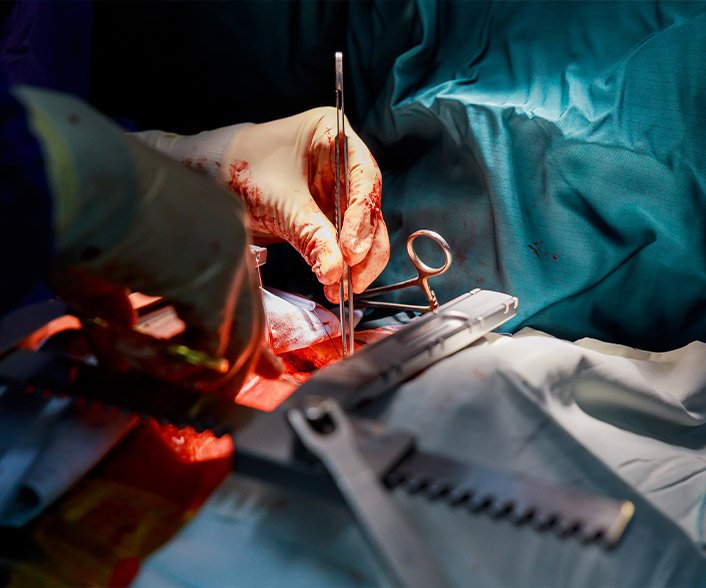
When a woman hears the word hysterectomy, it can sound overwhelming. But with the right information and expert medical guidance, it becomes a positive step toward better health and peace of mind.
A hysterectomy is a surgical procedure to remove the uterus, often recommended for women facing conditions such as uterine fibroids, endometriosis, chronic pelvic pain, or uncontrollable menstrual bleeding. Depending on the diagnosis, Dr. Muley may advise a partial, total, or radical hysterectomy — each tailored to the patient’s specific needs and overall health.
At Fortis Hospital, Dr. Pradeep Muley, a highly experienced Gynecologist and Obstetrician, specializes in performing advanced hysterectomy procedures with precision, care, and compassion. With years of expertise in women’s health, Dr. Muley ensures that every patient receives a clear understanding of her condition, the available treatment options, and what to expect before and after surgery.
Using modern minimally invasive techniques, including laparoscopic and robotic-assisted surgery, Dr. Muley focuses on reducing recovery time, minimizing pain, and ensuring faster healing. Most patients are able to resume normal activities within a few weeks and experience lasting relief from symptoms that once affected their daily life.
What Is a Hysterectomy?
A hysterectomy is a surgical procedure in which a woman’s uterus (womb) is removed. It’s one of the most common gynecological surgeries performed when other treatments fail to manage certain chronic or serious health conditions.
To understand it better — the uterus is the organ where a baby grows during pregnancy. Once it’s removed, menstrual periods stop permanently, and pregnancy becomes impossible. But more importantly, this surgery often brings freedom from constant pain, heavy bleeding, or health issues that affect daily life.
There are different types of hysterectomy depending on how much of the uterus or surrounding structures are removed. Sometimes, only the uterus is taken out; in other cases, the cervix, fallopian tubes, or ovaries may also be removed. The decision is made after detailed medical evaluation and discussion with your doctor.
It’s important to remember that a hysterectomy is not just a surgery — it’s a personal and emotional decision. Many women worry about how it might affect their hormones, appearance, or relationship. These are all valid concerns, and as your doctor, I believe in open conversations before planning surgery so that you feel informed, confident, and emotionally ready.
When Is Hysterectomy Recommended?
A hysterectomy is recommended only when other non-surgical treatments like medications, hormonal therapy, or minor procedures haven’t worked. The following are some common medical reasons when this surgery becomes necessary:
|
Condition |
Symptoms / Issues |
Why Hysterectomy May Help |
|
Heavy bleeding, pelvic pressure, or pain |
Removing the uterus eliminates fibroids permanently and relieves symptoms. |
|
|
Endometriosis |
Chronic pelvic pain, irregular bleeding |
Surgery removes the uterus and affected tissue, easing pain and inflammation. |
|
Adenomyosis |
Thickening of the uterine wall causing severe cramps |
Helps reduce excessive bleeding and pelvic discomfort. |
|
Uterine Prolapse |
Uterus dropping into the vaginal canal |
Supports pelvic health and prevents further prolapse or urinary issues. |
|
Cancer (Uterine, Cervical, Ovarian) |
Abnormal bleeding, post-menopausal spotting |
Often a life-saving surgery to remove cancerous growth. |
|
Chronic Pelvic Pain / Infection |
Persistent pain not responding to medicines |
Surgery helps remove the cause and restore quality of life. |
Every woman’s situation is unique. Sometimes, the decision is urgent (in cancer cases), and sometimes, it’s made after years of managing symptoms. A detailed discussion with your gynecologist ensures that surgery is the right choice for your health and future.
Types of Hysterectomy Surgery
There isn’t one single type of hysterectomy. The procedure is tailored to your condition, age, fertility goals, and overall health. Let’s go through each type in simple terms:
|
Type |
How It’s Done |
Advantages |
When It’s Used / Considerations |
|
Vaginal Hysterectomy |
The uterus is removed through the vagina, without any external cuts. |
Faster healing, minimal pain, no visible scar, short hospital stay. |
Suitable when uterus is normal in size and no major pelvic disease is present. |
|
Abdominal (Open) Hysterectomy |
A horizontal or vertical incision is made on the lower abdomen to remove the uterus. |
Gives clear access for complex or large uterus cases, useful for cancer surgeries. |
Recovery is longer; small scar remains; more discomfort after surgery. |
|
Laparoscopic Hysterectomy |
A camera (laparoscope) and small surgical tools are inserted through tiny cuts. |
Less blood loss, smaller scars, faster recovery, early discharge. |
Preferred for benign conditions like fibroids, endometriosis, or prolapse. |
|
Robotic-Assisted Hysterectomy |
Advanced robotic arms controlled by the surgeon through a console for high precision. |
Extremely precise, minimal blood loss, shorter hospital stay, quick return to daily life. |
Best for complex cases, patients with previous surgeries, or large fibroids. |
Surgical Techniques for Hysterectomy
|
Technique |
Approach |
Key Features |
Best Suited For |
|
Traditional (Open) |
Large incision through the abdomen |
Direct view of organs, more control during complex surgeries |
Large fibroids, cancer cases, or prior pelvic surgeries |
|
Laparoscopic |
Small keyhole incisions using a camera and instruments |
Minimally invasive, less pain, quick recovery |
Fibroids, endometriosis, or mild prolapse |
|
Robotic-Assisted |
Surgeon controls robotic arms via console |
Highest precision, minimal blood loss, quick discharge |
Complex cases, repeat surgeries, obese patients |
|
Vaginal |
No abdominal incision; uterus removed through vaginal canal |
No visible scar, fastest recovery |
Small uterus, prolapse without major complications |
Each technique has its advantages. At Dr. Pradeep Muley, the choice depends on medical need, safety, and patient comfort. We aim for minimally invasive options whenever possible because they offer faster healing and lower risk.
PEOPLE ALSO LIKE: Myomectomy: Purpose, Procedure, Risks, Results and Recovery
What to Expect During Surgery
Before the procedure, your journey begins with detailed pre-surgical planning. You’ll undergo physical exams, imaging tests (like ultrasound or MRI), and blood work to assess your fitness for anesthesia and surgery.
During this phase, I personally discuss the surgical method, potential risks, and what results you can expect — because knowing what’s coming helps reduce fear.
On the day of surgery, you’ll be given general anesthesia, so you’ll be fully asleep and pain-free. A team of experienced gynecologists, anesthetists, and nurses will monitor every step closely.
Depending on the chosen technique, the surgery can last from 1 to 3 hours. After completion, you’ll be moved to a recovery area where your vital signs and comfort are observed carefully. You may have a urinary catheter temporarily, which is usually removed within a day or two.
For minimally invasive or robotic surgeries, many women can walk within a few hours and go home the next day. For open abdominal procedures, hospital stays are longer — typically 4 to 5 days — to ensure proper wound healing and pain management.
Before discharge, we explain every detail — how to take medicines, how to care for the incision, and what signs to watch for. This helps you return home with confidence and peace of mind.
Recovery & Aftercare
Recovery after hysterectomy is a journey that needs both patience and self-care. Each woman heals differently, and as your doctor, I make sure to tailor your recovery plan accordingly.
|
Surgery Type |
Recovery Time |
Common Feelings |
Care Tips |
|
Vaginal Hysterectomy |
4–6 weeks |
Mild pelvic soreness, light bleeding for few days. |
Avoid lifting heavy objects; gentle walking helps circulation. |
|
Abdominal Hysterectomy |
6–8 weeks |
More discomfort at incision site; tiredness. |
Keep the incision clean; wear loose clothes; avoid strain. |
|
Laparoscopic / Robotic Hysterectomy |
2–4 weeks |
Minimal pain, quick mobility. |
Resume work early; light exercise after 2 weeks; follow all instructions. |
Tips for a Smooth Recovery
- Take medications as prescribed — pain control speeds up healing.
- Eat light, nutritious food rich in protein and fibre.
- Stay hydrated and avoids constipation.
- Sleep well — your body heals best at rest.
- Avoid sexual activity and heavy work until cleared by your doctor.
- Attend all follow-up visits to ensure healing is complete.
Call your doctor immediately if you experience:
- Heavy vaginal bleeding
- High fever
- Severe pain not relieved by medicines
- Redness or pus near the incision
Choosing the Right Surgeon & Procedure
A hysterectomy is not only a medical decision — it’s a partnership between the patient and her surgeon.
Choosing the right doctor makes a huge difference in your experience, recovery, and long-term outcome.
Here’s what truly matters when selecting your surgeon:
- Experience and Expertise: A surgeon skilled in both open and minimally invasive (laparoscopic/robotic) techniques can offer the best possible approach for your specific condition.
- Communication and Trust: The best doctors don’t just operate — they listen. You should feel comfortable discussing even your smallest concerns before surgery.
- Technology and Facilities: Choose a hospital equipped with advanced robotic systems, 3D laparoscopic setups, and safe anesthesia support. Modern technology means safer surgery and faster recovery.
- Patient-Centered Approach: Every woman’s emotional and physical needs are different. The right surgeon considers your medical history, comfort, and expectations before recommending surgery.
- Postoperative Support: A doctor’s role doesn’t end after surgery. Proper follow-up, emotional reassurance, and lifestyle guidance are crucial for smooth healing.
At Dr. Pradeep Muley, every hysterectomy is performed with precision, compassion, and care. Our focus is always on your comfort, safety, and confidence — ensuring that you not only recover physically but also feel emotionally supported at every step.
Why Choose Dr. Pradeep Muley
When it comes to a procedure as important as a hysterectomy, choosing the right specialist makes all the difference. Dr. Pradeep Muley is known for his patient-centered approach, advanced surgical skills, and deep commitment to women’s health. With years of experience in laparoscopic and robotic gynecological surgeries, he ensures every patient receives world-class treatment with empathy and care.
Here’s what sets Dr. Pradeep Muley apart:
- Extensive Expertise: Specialized in minimally invasive and robotic hysterectomy procedures, offering precise and safe results.
- Advanced Technology: Performs surgeries using the latest laparoscopic and robotic systems for minimal pain, less bleeding, and quicker recovery.
- Personalized Care: Each patient receives a detailed evaluation and a customized treatment plan suited to her medical and emotional needs.
- High Success Rate: Proven track record in performing successful hysterectomies with excellent recovery outcomes.
- Patient Comfort & Trust: Focused on transparent communication, clear guidance, and emotional support throughout your journey — from consultation to full recovery.
- Comprehensive Post-Surgery Care: Dedicated follow-ups, healing support, and lifestyle advice for a smooth transition to normal life.
At Dr. Pradeep Muley, the goal is simple — to provide safe, advanced, and compassionate gynecological care that helps every woman live pain-free and confident again.
Frequently Asked Questions
1. Will I experience pain after surgery?
Mild pain or discomfort is common but manageable with prescribed medications. With laparoscopic or robotic procedures, pain is often minimal.
2. Can I get pregnant after hysterectomy?
No, once the uterus is removed, pregnancy is not possible. If fertility preservation is a concern, we discuss all alternatives before surgery.
3. When can I return to work?
Usually within 2–3 weeks for minimally invasive surgery and 6–8 weeks for open surgery, depending on your comfort and job nature.
4. Will hysterectomy affect my hormones?
If ovaries are removed along with the uterus, hormonal changes may occur. We guide you about hormone therapy or natural ways to balance your health.
5. Can hysterectomy cause weight gain?
Not directly. Some women experience temporary bloating or reduced activity post-surgery, but with diet and light exercise, weight can be managed easily.
Final Thoughts
A hysterectomy isn’t just a surgery — it’s a step toward improving your quality of life. Whether it’s freedom from pain, heavy bleeding, or anxiety of chronic symptoms, the goal is always your well-being.
At Dr. Pradeep Muley, we combine advanced surgical expertise with genuine care and compassion. My team and I believe every woman deserves clear information, emotional support, and safe, effective treatment options.
If you’re considering a hysterectomy or want to explore the best approach for your condition, feel free to book a consultation. Together, we’ll choose what’s right for your body and your future.