
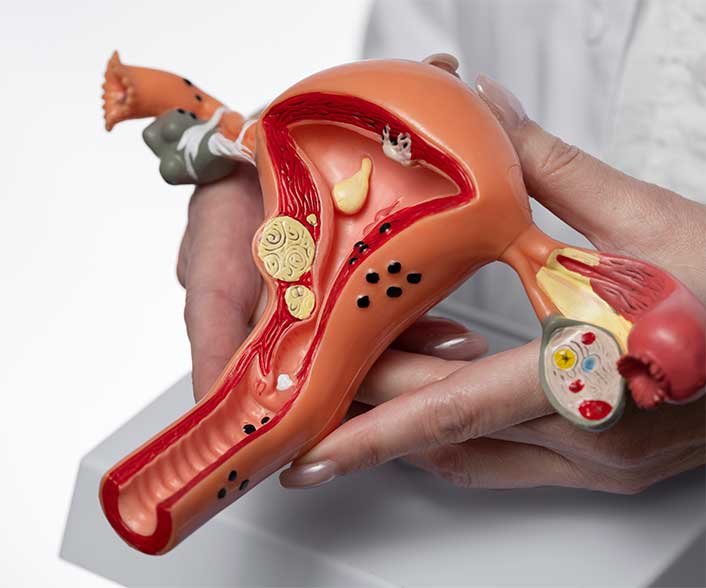
Adenomyosis is a common yet often misunderstood uterine condition that causes the inner lining of the uterus to grow into the muscular wall, leading to painful, heavy periods and chronic pelvic discomfort. Women in Delhi frequently seek specialized gynecological care for this condition, as early diagnosis and personalized treatment can greatly improve quality of life. The best gynecologists for adenomyosis treatment in Delhi focus on accurate imaging, hormone management, and advanced minimally invasive procedures to relieve symptoms while preserving fertility. Understanding the causes, symptoms, and treatment options helps women make informed choices about their reproductive health.
What is Adenomyosis?
Adenomyosis is a condition where endometrial tissue (the lining of the uterus) grows into the uterine muscle wall (myometrium). In other words, cells that normally shed each month implant themselves within the uterine muscle. This misplaced tissue still responds to hormonal cycles, causing the uterus to thicken and often enlarge. Over time, the uterus may become almost double or triple its normal size as the embedded tissue swells, breaks down and bleeds with each menstrual cycle.
Importantly, adenomyosis is not cancerous and does not threaten your life. However, it can cause significant symptoms and affect quality of life. The exact cause of adenomyosis is unknown, but experts suspect that it may result from surgical disruptions (like cesarean sections) or developmental factors allowing endometrial cells to embed in the muscle. High estrogen levels seem to fuel the growth. Notably, symptoms often lessen after menopause when hormone levels decline.
Symptoms of Adenomyosis
Many women with adenomyosis experience no symptoms or only mild discomfort, especially in early stages. However, others have notable symptoms that interfere with daily life. Common symptoms include:
- Heavy or prolonged menstrual bleeding: Women often describe flooding or soaking through sanitary pads every hour during peak flow.
- Severe menstrual cramps (dysmenorrhea): Intense, sharp pelvic pain can start before or during the period and last for days.
- Chronic pelvic pain: A persistent ache or pressure in the lower abdomen, even outside of menstruation, can occur.
- Pain during intercourse (dyspareunia): Some women experience deep pain in the pelvis with sexual activity.
- Enlarged, tender uterus: The uterus may feel larger than normal and tender to touch. In some cases, a doctor can feel an unusually boggy or soft, enlarged uterus on physical exam.
- Abdominal fullness or bloating: A constant feeling of pelvic heaviness or fullness is possible.
- Infertility or pregnancy complications: Adenomyosis can interfere with fertility and has been linked to higher risks of miscarriage or preterm birth. For women trying to conceive, adenomyosis might be one factor in difficulty getting pregnant.
Risk Factors and who is Affected
Adenomyosis occurs most often in women aged 40–50, but it can affect younger women too.
Key risk factors include:
- Prior uterine surgery: Procedures like cesarean section, fibroid removal (myomectomy), or dilation and curettage (D&C) may increase risk. The theory is that cutting the uterus allows endometrial cells to move into the muscle.
- Childbirth: Women who have given birth (especially multiple times) are at higher risk. Pregnancy-related changes may predispose the uterus to adenomyosis.
- High estrogen exposure: Over a woman’s lifetime, more menstrual cycles (longer reproductive years) seems linked to adenomyosis. This is why middle age (more years of estrogen) is a common time to develop symptoms.
- Coexisting uterine conditions: Adenomyosis often occurs alongside endometriosis or fibroids. If you already have one of these conditions, your gynecologist will likely consider adenomyosis as well.
Genetics may play a role, but no specific genes are confirmed. The good news: adenomyosis cannot be passed on like an infectious disease. If you have risk factors or symptoms, discuss them with Dr. Muley so proper testing can be done.
How is Adenomyosis Diagnosed?
Adenomyosis is not always easy to diagnose definitively without surgery. Often, gynecologists diagnose it based on symptoms and imaging. Common diagnostic steps include:
- Pelvic Exam: A doctor may feel for an enlarged, tender uterus on manual exam. A boggy or softened area on the uterus can raise suspicion. However, early adenomyosis may not be obvious by exam alone.
- Ultrasound (Transvaginal Sonography): This is usually the first imaging test. A narrow ultrasound probe is inserted into the vagina to visualize the uterus and ovaries. Ultrasound can reveal a uniformly enlarged uterus or telltale signs (like a thickened uterine wall with tiny cystic spaces) suggestive of adenomyosis. Although ultrasound is user-dependent, a skilled specialist can often detect adenomyosis.
- Magnetic Resonance Imaging (MRI): MRI provides a more detailed image of the uterine wall. It’s the most accurate noninvasive test. MRI can confirm adenomyosis by showing endometrial tissue in the myometrium. Doctors may recommend MRI if ultrasound is inconclusive and symptoms are significant.
- Exclusion of Other Causes: Because symptoms overlap with fibroids and endometriosis, doctors may first rule those out. Sometimes adenomyosis is diagnosed only after ruling out other conditions. In rare cases, the definitive diagnosis is made by examining the uterus after hysterectomy (surgical removal) – but that’s usually after all other treatments fail.
Dr. Muley emphasizes discussing all testing options with your doctor. In many cases, a combination of exam findings and imaging is enough to start treatment without needing a biopsy or surgery.
Causes of Adenomyosis
No single cause of adenomyosis is known, but experts believe multiple factors contribute. The main theories include:
- Direct invasion: During surgery like a C-section, endometrial cells might implant into the muscle wall where they were never supposed to be.
- Developmental origin: Some believe misplaced embryonic tissue (from when the fetus was developing) later develops into adenomyosis.
- Hormonal/inflammatory factors: After childbirth, inflammation of the uterine lining might cause cells to migrate into the muscle. Also, recurring menstrual cycles may “push” endometrial cells deeper.
- Retrograde menstruation: Similar to endometriosis, menstrual blood backing up through the fallopian tubes might carry endometrial cells to the uterine wall.
- Stem cell theory: Bone marrow stem cells might transform into endometrial cells within the uterus.
Complications and When to See a Doctor
Left untreated, adenomyosis can lead to complications mainly from chronic heavy bleeding and pain. Common issues include:
- Anemia: Heavy bleeding can cause iron-deficiency anemia, leading to fatigue, weakness and shortness of breath. If you feel unusually tired or dizzy during your period, mention this to your doctor.
- Lifestyle impact: Severe pain and heavy flow can interfere with work, travel, and daily activities. It’s common for women to miss work or social events because of adenomyosis symptoms. Managing lifestyle (having supplies ready, scheduling rest) is important, but medical treatment should also be sought.
- Infertility/Pregnancy Risks: Adenomyosis has been associated with fertility issues. Studies suggest it may cause miscarriage, preterm birth, or small-for-gestational-age babies. However, many women with adenomyosis do have successful pregnancies. If you are trying to conceive and have symptoms, discuss this with a fertility specialist.
- Emotional Stress: Chronic conditions like adenomyosis can affect mental health. Persistent pain and the impact on fertility can cause stress or anxiety. Seek support if needed.
Given these concerns, Dr. Muley advises: if you have increasingly heavy periods, very painful cramps, or symptoms lasting more than a year, see your doctor. Even if you have had these issues before, new or worsening symptoms deserve a fresh evaluation. Early diagnosis can open up more treatment options and improve quality of life.
Treatment Options for Adenomyosis
Treatment aims to relieve symptoms and improve quality of life. The choice depends on factors like your age, desire for future pregnancy, symptom severity, and overall health. According to medical guidelines (e.g. Mayo Clinic), options include:
- Pain-relief medications: Over-the-counter no steroidal anti-inflammatory drugs (NSAIDs) like ibuprofen (Advil) or naproxen (Aleve) are often first-line. They reduce menstrual cramping and bleeding by lowering prostaglandins. Taken around the clock during your period (for example, one day before flow starts), NSAIDs can significantly lessen pain and blood loss.
- Hormonal therapies: Hormones are very effective for many women. These include:
- Combined oral contraceptive pills: These regulate periods and often make them lighter and less painful.
- Progestin-only therapies: Options like an intrauterine device (IUD) that releases levonorgestrel (e.g. Mirena) or progestin-only pills can create a very light or absent period (amenorrhea). A continuous-use birth control regimen (skipping placebo pills) can similarly stop monthly bleeding. Both methods often reduce anemia risk and pain.
- Gonadotropin-releasing hormone (GnRH) agonists: Medications that create a temporary menopause-like state, reducing estrogen. These are strong medications usually used short-term to shrink the adenomyosis tissue. Due to side effects (bone loss, hot flashes), they’re used carefully.
- Conservative surgery (uterine-sparing): For women who want to preserve fertility or uterus:
- Uterine-sparing procedures: In focal adenomyosis (adenomyoma), surgeons may remove the lesions (adenomyomectomy). However, this can be technically difficult and is not always possible. It’s considered experimental in most cases.
- Endometrial ablation: This procedure destroys the uterine lining and can reduce bleeding. It’s sometimes used if adenomyosis is mostly superficial. However, ablation is generally not recommended for women who wish to conceive (as it makes pregnancy difficult).
- Hysterectomy (Definitive cure): This is the surgical removal of the uterus. According to Mayo Clinic and Cleveland Clinic sources, hysterectomy is the only 100% cure for adenomyosis. It definitively stops menstrual bleeding and pain. Dr. Muley notes that hysterectomy is considered when:
- Symptoms are severe and not controlled by other treatments.
- The woman has completed childbearing or does not desire future pregnancy.
- There are large uterine fibroids or other issues requiring surgery.
Hysterectomy can now be done in a minimally invasive way (laparoscopic or vaginal), meaning faster recovery than in the past. After hysterectomy, ovaries may be preserved unless other conditions exist. It’s a major decision, and should be discussed thoroughly with your surgeon, as it ends fertility.
- Fertility-sparing alternatives: For women who want to get pregnant, Dr. Muley may recommend bridging therapies. For example, using an IUD or GnRH agonist to control symptoms while trying to conceive, or combining adenomyomectomy with assisted reproductive techniques (though data on success rates is still emerging).
People also like:- Top 10 Vascular Surgeons in Delhi Trusted Specialists
Dr. Muley emphasizes that treatment is highly individualized. Often a combination of the above therapies is used. For example, he commonly starts with NSAIDs and birth control pills. If symptoms persist and patient is near menopause, watchful waiting may be chosen (since symptoms typically improve after menopause). If a woman’s symptoms severely disrupt her life, more aggressive options are considered.
Living with and Managing Adenomyosis
- Tracking symptoms: Keep a period diary. Note how heavy your flow is (e.g. number of pads per day), pain severity, and any missed activities due to symptoms. This helps your doctor assess treatment effectiveness.
- Lifestyle measures: Warm baths, heating pads, and regular gentle exercise can help ease cramps. Iron supplements or a diet rich in iron (if heavy bleeding has caused anemia) are important.
- Follow-up: Regular check-ups are important. If you start a treatment (like an IUD or hormone therapy), your doctor will want to monitor how you’re responding. Adjustments (like changing pill types or trying a different therapy) are common.
- Emotional support: Dealing with chronic pain and fertility concerns can be stressful. Seek support from trusted friends, family, or support groups. Counseling or therapy can also help cope with anxiety or depression related to chronic illness.
Conclusion
Adenomyosis is a common but often under-recognized cause of heavy menstrual bleeding and pelvic pain. As Dr. Pradeep Muley notes, awareness is key: if you experience unusually heavy or painful periods, especially in your 30s or 40s, discuss adenomyosis with your gynecologist. Diagnosis typically involves a pelvic exam and imaging (ultrasound/MRI).
While the exact cause remains unclear, effective treatments are available. Many women find relief with medications like NSAIDs or hormonal therapy. For those with severe symptoms or finished with childbearing, surgical options (especially minimally invasive hysterectomy) can be life-changing. Although only hysterectomy removes adenomyosis completely, there are also fertility-preserving approaches.
With the right care plan, most women with adenomyosis can manage symptoms and improve their quality of life. Fortis Hospital’s Department of Obstetrics & Gynecology (where Dr. Muley practices) is experienced in diagnosing and treating adenomyosis. If you have concerns, don’t hesitate to seek a specialist’s advice – personalized care can make a big difference in living better with adenomyosis.
Frequently Asked Questions (FAQs)
1. What is the main cause of adenomyosis?
The exact cause of adenomyosis is still not fully understood. However, doctors believe it develops when endometrial cells (the lining of the uterus) grow into the uterine muscle wall. This can happen due to factors such as prior uterine surgery (like C-section), inflammation after childbirth, or hormonal imbalances — especially high estrogen levels.
2. How do I know if I have adenomyosis or fibroids?
Both conditions can cause heavy periods and pelvic pain, but they differ in nature. Fibroids are solid growths inside or outside the uterus, while adenomyosis involves the uterine lining invading the muscle wall. An ultrasound or MRI scan, reviewed by your gynecologist, can help confirm the diagnosis.
3. Can adenomyosis affect fertility or pregnancy?
Yes, adenomyosis can sometimes make it harder to conceive or increase risks such as miscarriage and preterm birth. However, many women with adenomyosis still have successful pregnancies. It’s important to discuss fertility plans with a specialist like Dr. Pradeep Muley, who can recommend the best management options for your situation.
4. Does adenomyosis go away on its own?
Adenomyosis does not completely go away, but its symptoms often improve after menopause because estrogen levels drop. Until then, symptoms can be managed effectively with medications, hormonal therapy, or in some cases, surgical treatment.
5. Is adenomyosis cancerous or dangerous?
No, adenomyosis is a benign (non-cancerous) condition. It is not life-threatening, but it can significantly affect your quality of life due to pain, heavy bleeding, and fatigue. Timely treatment helps prevent complications like anemia and chronic discomfort.
6. What is the best treatment for adenomyosis?
The best treatment depends on your symptoms, age, and whether you plan to have children. Common options include pain relievers (NSAIDs), hormonal treatments like birth control pills or hormonal IUDs, and in severe cases, surgical options such as hysterectomy. Dr. Muley customizes treatment plans for each patient based on their medical history and goals.
7. Can I get pregnant after being diagnosed with adenomyosis?
Yes, many women with adenomyosis can conceive naturally or with medical help. Fertility-preserving treatments such as hormonal therapy or targeted surgery (adenomyomectomy) may be recommended before trying to conceive. Consulting an experienced gynecologist can improve your chances.
8. How is adenomyosis diagnosed without surgery?
Most cases are diagnosed through non-invasive imaging tests like transvaginal ultrasound or MRI. These help visualize the thickening or changes in the uterine wall. Surgery is not needed for diagnosis in most women.
9. What happens if adenomyosis is left untreated?
Without treatment, adenomyosis can lead to persistent heavy bleeding, severe pain, anemia, fatigue, and emotional distress. Over time, it may also affect fertility. Early diagnosis and medical management can prevent these complications.