
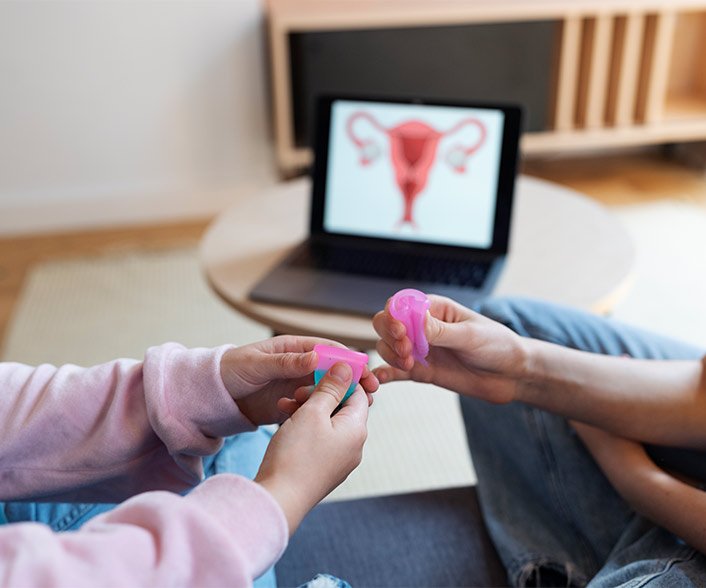
Getting pregnant with blocked fallopian tubes may sound impossible, but the truth is thousands of women become mothers every year despite this challenge. Thanks to modern fertility treatments like IVF, tubal surgery, and lifestyle support, you can still achieve a healthy pregnancy even if both tubes are blocked. In this guide, we’ll walk you through 7 proven steps to getting pregnant with blocked fallopian tubes, from diagnosis to treatment options, so you know exactly what to do next.
At Fortis Hospital, under the expert care of Dr. Pradeep Muley, we provide compassionate and evidence-based treatments designed to help you on this journey.
What are the Fallopian Tubes?
The fallopian tubes are two thin tubes that connect your ovaries to your uterus. Their main role is to carry the egg released from the ovary to the uterus, where fertilization and implantation can happen. If these tubes are blocked due to infections, pelvic inflammatory disease (PID), surgery, or endometriosis, the egg cannot meet the sperm naturally — which makes pregnancy difficult without medical help.
Step 1: Recognize the Symptoms and Signs
Blocked fallopian tubes often go unnoticed because most women don’t have obvious symptoms. However, some may experience:
- Difficulty conceiving after 6–12 months of trying.
- Mild pelvic or abdominal pain, especially on one side.
- History of pelvic inflammatory disease (PID), infections, or past surgeries.
- Rarely, a condition called hydrosalpinx, where fluid fills a blocked tube, can cause discomfort.
If you’re unable to conceive despite regular attempts, it’s a sign to consult a fertility expert.
Step 2: Understand the Role of Fallopian Tubes
Fallopian tubes are the pathways that connect ovaries to the uterus. They are also the meeting place for sperm and egg. When blocked, sperm cannot reach the egg, and natural conception becomes nearly impossible.
This is why blocked tubes are one of the leading causes of infertility – but not the end of your journey.
Step 3: Know the Causes of Blocked Fallopian Tubes
Fallopian tube blockages can happen due to several reasons, including:
- Pelvic Inflammatory Disease (PID): A common cause of scarring and blockage.
- Endometriosis: Uterine lining tissue growing outside can damage tubes.
- Past Surgeries: Pelvic or abdominal surgeries may lead to adhesions.
- Fibroids: Large growths may block tube entry points.
- Infections (STIs like chlamydia/gonorrhea): Can damage reproductive organs if untreated.
Step 4: Consult a Fertility Specialist
The most important step is expert guidance. At Fortis Hospital, Dr. Pradeep Muley has extensive experience in diagnosing and treating tubal factor infertility. A fertility specialist will take a detailed history, evaluate your symptoms, and guide you toward the right path.
Step 5: Get the Right Diagnosis
Accurate diagnosis is essential. Common tests include:
- Hysterosalpingogram (HSG): An X-ray test with dye to check if tubes are open.
- Sonohysterography (Saline Sonography): Uses ultrasound to assess blockages.
- Laparoscopy: A minimally invasive surgery where a small camera is used to view tubes and pelvic organs.
This helps determine whether surgery, IVF, or other treatments will be most effective.
Step 6: Explore Treatment Options
Depending on the severity, location of the blockage, and your health, treatment options may include:
- Tuboplasty / Laparoscopy Surgery: To remove blockages or repair tubes.
- Salpingectomy: Removing severely damaged tubes (especially in hydrosalpinx).
- IVF (In Vitro Fertilization): The most effective solution for many women with blocked tubes. IVF bypasses the fallopian tubes completely by fertilizing eggs in the lab and placing embryos directly into the uterus.
Many women with blocked fallopian tubes achieve pregnancy successfully through IVF under the care of specialists like Dr. Pradeep Muley.
Step 7: Supportive Lifestyle & Emotional Care
Alongside medical treatment, lifestyle changes play a role in supporting fertility:
- Eat a fertility-friendly diet rich in antioxidants, proteins, and iron.
- Maintain a healthy weight with regular moderate exercise.
- Avoid smoking and alcohol, which harm fertility.
- Manage stress with yoga, meditation, or counseling.
Fertility struggles can be emotionally challenging – so seek psychological support and lean on your partner and family.
The Takeaway
Blocked fallopian tubes can feel like a major obstacle, but it is not the end of your journey to parenthood. With the right diagnosis, medical care, and fertility treatments such as IVF, thousands of women achieve pregnancy every year.
At Fortis Hospial, Dr. Pradeep Muley and our team are here to walk beside you with expertise, compassion, and personalized treatment plans.
Ready to take the next step? Book a consultation today and move closer to the family you’ve always dreamed of.
FAQs
Q1. Can I get pregnant naturally with blocked fallopian tubes?
If both tubes are completely blocked, natural conception is not possible. If one tube is healthy, natural pregnancy may still happen.
Q2. What is the most effective treatment for blocked fallopian tubes?
IVF is considered the most effective, as it bypasses the tubes completely.
Q3. How long does it take to conceive after treatment?
After surgery, some women may conceive within 6–12 months. With IVF, results depend on age, egg quality, and uterine health.
Q4. Does age affect treatment success?
Yes. Younger women generally have higher success rates with both surgical repair and IVF.
Q5. Are blocked fallopian tubes painful?
Most women don’t feel pain. But conditions like hydrosalpinx or pelvic infections may cause discomfort.
Q6. Can home remedies open blocked fallopian tubes?
No, natural remedies cannot unblock tubes. Medical or surgical treatment is required.
Q7. How can I prevent fallopian tube blockages?
Prevent STIs, treat pelvic infections on time, and go for regular gynecological checkups.